What Makes a Resort Truly Halal Friendly?
Summary
Halal resorts meet a specific and well-defined set of standards: fully halal-certified food across all dining outlets, a completely alcohol-free environment throughout the property, separate or screened swimming facilities for female guests, and dedicated prayer facilities on-site. A resort that meets all four of these criteria consistently and with documented certification is genuinely halal. A resort that meets some of them, or meets them in part, is not, regardless of how it describes itself.
Why the Language Around Halal Resorts Is So Inconsistent
The terms "halal resort," "halal-friendly hotel," and "Muslim-friendly property" are used interchangeably in travel marketing, but they describe meaningfully different things. This inconsistency is not always deliberate: it often reflects genuine uncertainty among hotel operators about what the term means, or a commercial decision to attract Muslim guests without making the operational changes that a fully halal property requires.
For Muslim families from the UK, this inconsistency creates a specific planning problem. A resort that describes itself as halal-friendly but serves alcohol in the bar area, offers halal food only on request, and provides prayer mats in rooms as a courtesy but no dedicated prayer room is not a halal resort. It is a conventional hotel that has made some accommodations. Understanding the difference before booking rather than after arriving saves frustration, expense, and the particular kind of disappointment that comes from realising a holiday environment does not actually align with your family's values.
This guide explains exactly what the halal label should mean when applied to resorts, the specific criteria that genuinely define a halal property, the spectrum between fully halal and merely Muslim-friendly, and the questions that reliably reveal where a resort actually sits on that spectrum. Whether you are looking at halal all inclusive resorts in Turkey or a hotel in Malaysia, the same principles apply globally.
The Four Non-Negotiable Standards of a Genuinely Halal Resort
These four criteria are the minimum required for a resort to be described as genuinely halal. A property that meets all four is a halal resort. One that meets fewer than four is not, regardless of what the marketing says.
1. Halal food certification across every dining outlet. This is the most commonly misrepresented standard. A resort that offers a halal menu option in its main restaurant, or that uses halal meat in some dishes but not all, or that holds certification for its kitchen but not for the poolside grill or the beach restaurant, is not a fully certified halal property. Genuine halal food certification applies to every outlet where food is prepared or served, is issued by a recognised Islamic authority, and is subject to regular inspection. Ask the resort to name the certifying body and provide the certificate number. If they cannot, the certification is either absent or insufficient.
2. A completely alcohol-free environment. Not a reduced alcohol offering. Not alcohol available only in a separate building or on request. Completely alcohol-free throughout the entire property, including all restaurants, bars, room minibars, event spaces, and any external areas operated by the resort. Some resorts describe themselves as halal while operating an alcohol-free main area alongside a separate licensed bar. This is not a halal resort. The alcohol-free status must apply everywhere without exception.
3. Separate or screened swimming facilities for female guests. This standard has more variation in its implementation than the previous two, and the variation matters. A screened ladies' pool with full amenities, poolside service, and access throughout the day is a meaningful provision. A ladies' swimming hour in a shared pool, two mornings per week, is not. When assessing this criterion, ask specifically: is the ladies' area a permanent, dedicated facility with physical screening, or does it operate through time-based allocations in a shared space? The former is a genuine halal provision. The latter is a courtesy arrangement.
4. Dedicated prayer facilities on-site. A prayer room that is air-conditioned, carpeted, of sufficient size for the resort's Muslim guests, with the qibla direction clearly marked, prayer mats available, and a copy of the Quran provided. A prayer mat left in the room wardrobe is not a prayer facility. A designated, accessible space that Muslim guests can use for each of the five daily prayers is.
The Spectrum: Fully Halal to Muslim-Friendly to Halal-Aware
Understanding the spectrum between fully halal and merely halal-aware helps Muslim travellers set expectations accurately and choose the right type of property for their family's specific needs.
Fully halal resorts meet all four criteria above with documented certification and operational consistency. Every meal at every outlet is certified. Alcohol is absent from the entire property. Female guests have genuine, permanent, private swimming access. Prayer facilities are proper and well-maintained. Turkey's dedicated halal all inclusive resorts on the Antalya coast, the best of Malaysia's certified properties, and the locally operated guesthouses on the Maldives' inhabited islands represent this category.
Muslim-friendly hotels meet some but not all of the criteria. They may offer halal food as the default in their main restaurant but serve alcohol in the bar. They may have a prayer room but no separate pool facilities. They may be alcohol-free in the main dining areas but stock alcohol in the minibar. These properties genuinely intend to accommodate Muslim guests and do so meaningfully, but they are not halal resorts. They suit Muslim travellers who prioritise some criteria over others, such as halal food and prayer facilities, but are comfortable staying in an environment where alcohol is present elsewhere.
Halal-aware hotels make token accommodations: a prayer mat in the room, a halal menu option on request, perhaps a note in the welcome pack about nearby mosques. These properties have recognised the Muslim travel market and responded at the minimal end of the spectrum. They are conventional hotels, nothing more, and should not be booked by families expecting a halal environment.
The practical significance of this spectrum is simple:
knowing which category a resort falls into before booking prevents disappointment. The questions in the next section are designed to place any resort on this spectrum quickly and accurately.
The Questions That Reveal Where a Resort Actually Stands
These questions, put directly to a resort or travel operator before booking, reliably distinguish genuine halal properties from those using the label loosely.
- Which body has issued the halal food certification, and what is the current certificate number? (A genuine halal resort answers this immediately and specifically.)
- Does the halal certification apply to every food outlet on the property, including the fine dining restaurant, the beach grill, the poolside bar food, and room service?
- Is the property completely alcohol-free throughout, including the bar area, all event spaces, and the minibar?
- Is the ladies' swimming area a permanent, physically screened or separate facility, or does it operate through time allocations in a shared pool?
- Is there a dedicated prayer room on the property, separate from guest rooms, and is it available at all hours including for Fajr?
- What is the entertainment policy, and is there any adult-oriented or mixed-gender nightlife within the property or accessible to guests through the resort?
A genuinely halal property answers every one of these questions directly and without equivocation. Vague answers, redirects to general hospitality language, or assurances that the resort "caters to all guests" are signals that the halal credentials are incomplete or unverified.
Common Claims That Mislead Muslim Travellers
Certain phrases appear frequently in hotel marketing targeting Muslim guests and consistently overstate the halal credentials of the property.
"Halal food available." This means the hotel can provide halal food on request. It does not mean the property is halal-certified or that every meal served is prepared under halal standards. A conventional hotel in any country can make this claim by sourcing one certified meat product and labelling it on the menu.
"Muslim-friendly." A useful descriptor for a hotel that has made meaningful accommodations but an insufficient standard for families who require a fully halal environment. Muslim-friendly can mean anything from a prayer mat in the room to a genuinely alcohol-free property with certified food. Always ask specifically what the term means for the property in question.
"No pork on the menu." This is a dietary accommodation, not halal certification. Meat can be entirely free of pork products and still not be halal-certified. The method of slaughter, the supply chain, and the kitchen's handling of halal and non-halal ingredients are all part of halal certification and are not addressed by a pork-free menu claim.
"Prayer mats available." A courtesy provision that says nothing about the property's halal food status, alcohol policy, or swimming arrangements. A prayer mat in the wardrobe does not make a hotel a halal resort.
"Alcohol-free restaurant." This means one dining area operates without alcohol, not that the property is alcohol-free. A resort with an alcohol-free restaurant and a separate bar is not an alcohol-free property.
How Halal Resorts Differ Globally: What to Expect by Destination
The implementation of halal resort standards varies by destination, and understanding what to expect in different parts of the world helps set realistic expectations before booking.
In Turkey, the dedicated halal resort sector is the most developed in the world outside Muslim-majority countries. The best properties on the Antalya coast hold formal halal certification, operate as entirely alcohol-free, and have invested in separate swimming infrastructure as a structural feature of the resort design rather than an operational workaround. The standards are generally high and consistently maintained.
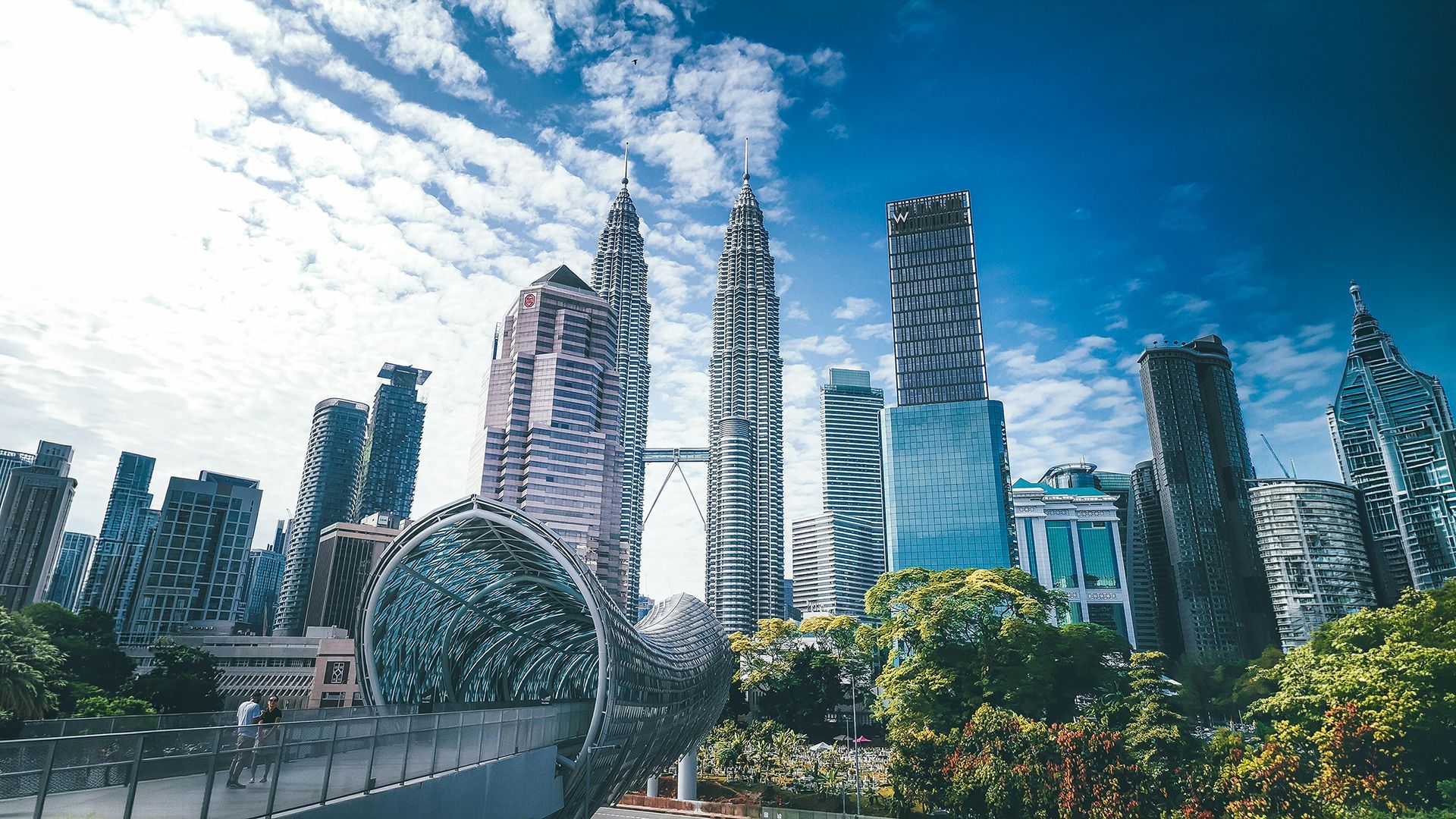
In Muslim-majority countries including Malaysia, Morocco, the Maldives (on local islands), Jordan, and the UAE, halal food is the cultural default rather than a certified exception. This does not automatically mean every hotel in these countries is a halal resort: international chain hotels in Muslim-majority countries frequently serve alcohol. However, the halal food standard at locally operated hotels and the certified properties within these countries is generally excellent.
In
non-Muslim-majority destinations including Thailand, Japan, Greece, Spain, and similar, genuinely halal resorts are rare. Muslim-friendly accommodations, with halal food available on request and some modest accommodations, are more common. Private villa arrangements with a private halal chef represent the most reliable solution for Muslim families in destinations where resort-level halal certification is unavailable.
Quick Answer
A truly halal resort meets four standards without exception: fully halal-certified food across every dining outlet, a completely alcohol-free environment throughout the property, permanent and separate swimming facilities for female guests, and a dedicated on-site prayer room. A resort that meets fewer than all four is Muslim-friendly or halal-aware but is not a halal resort, regardless of how it describes itself.
Frequently Asked Questions
What is the difference between a halal resort and a Muslim-friendly hotel?
A halal resort holds formal halal food certification across all outlets, operates as entirely alcohol-free throughout the property, provides permanent separate swimming for female guests, and has a dedicated prayer room. A Muslim-friendly hotel accommodates some of these requirements but not necessarily all of them. The distinction matters significantly for families who require all four standards rather than some of them.
How do I know if a resort's halal certification is genuine?
Ask for the name of the certifying body and the certificate number, then verify that the certification applies to all food outlets on the property. Legitimate certifying bodies include recognised national Islamic authorities. A resort that cannot name a specific certifying body or that describes its certification vaguely is unlikely to hold formal certification. Booking through a specialist halal travel operator who has verified the property directly is the most reliable approach.
Is a "no pork" policy the same as halal certification?
A pork-free menu is a dietary accommodation that says nothing about halal certification. Halal certification covers the method of animal slaughter, the supply chain traceability of all meat products, and the kitchen's handling procedures to prevent cross-contamination with non-halal items. A restaurant can serve no pork whatsoever and still not be halal-certified.
Are halal all inclusive resorts better than standard Muslim-friendly hotels?
For families who require all four halal standards consistently, yes. A halal all inclusive resort with full certification provides a controlled, verified environment throughout the stay without requiring daily decisions about where to eat, what to avoid, and whether individual meals meet halal requirements. A Muslim-friendly hotel requires more active management of food choices and may not suit families who want complete confidence in every meal served.
Do halal resorts have to be in Muslim-majority countries?
No. Some of the world's finest dedicated halal resorts are in Turkey, which is a Muslim-majority country, but the model has spread globally. What matters is not the country's religious composition but whether the specific property holds genuine certification and meets the four core standards. In non-Muslim-majority destinations where resort-level certification is uncommon, private villa arrangements with a private halal chef are the most effective alternative.
How do I find local prayer times when staying at a halal resort?
The Halal World Travel prayer times page provides accurate local prayer times for all major halal resort destinations worldwide. Most dedicated halal resorts also display daily local prayer times at reception and in room information packs, and in Muslim-majority countries the call to prayer from local mosques provides a natural audio reminder five times daily.
Know What You Are Booking Before You Arrive
A halal resort that genuinely meets its standards gives Muslim families something that is harder to put a value on than any specific facility: the confidence to arrive, settle in, and simply be present without the background effort of managing an environment that was not built around your values. Understanding what the term means, and knowing the questions to ask, is what ensures the resort you book is the resort you actually experience.
Browse our selection of verified halal resorts or speak with one of our specialists, who can confirm the specific standards of any property before you commit. The right resort is out there, and we can make sure you find it.
Recent Posts