Halal Holidays Maldives: Where to Stay for the Best Experience
Summary
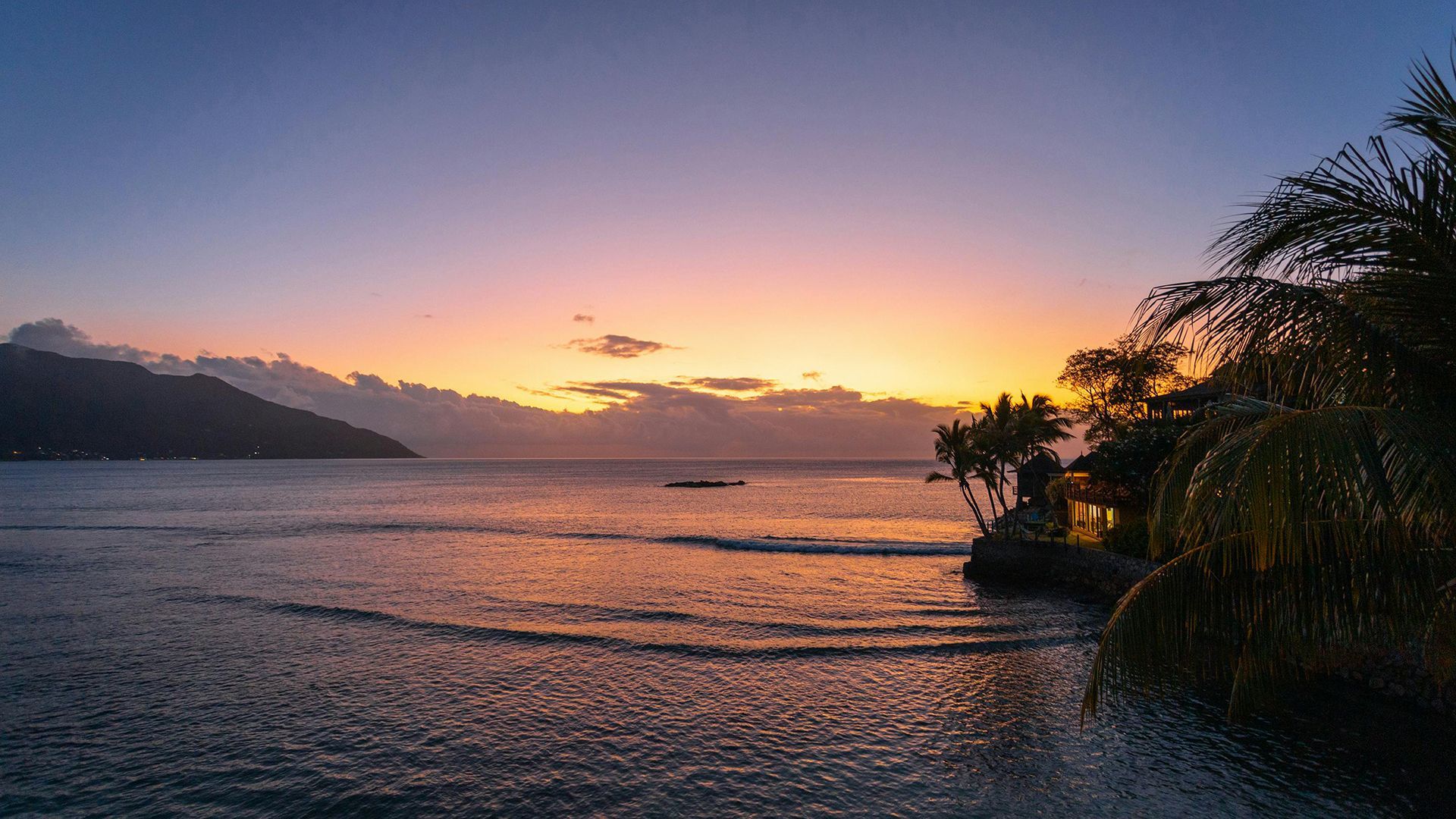
Halal holidays in the Maldives are unlike any other destination in Islamic travel. The country is a Muslim-majority nation governed by Islamic law on its inhabited islands, which means halal food is the default, mosques punctuate every community, and the call to prayer travels across the water five times a day. But what truly separates the Maldives is not its religious alignment: it is the experience of an overwater villa above a lagoon so clear you can watch the reef below your feet, in a place so deliberately removed from ordinary life that nothing else competes for your attention.
The Maldives Offers Something No Other Halal Destination Can
Most great holiday destinations give you things to do. The Maldives gives you the ocean, and then gets out of the way.
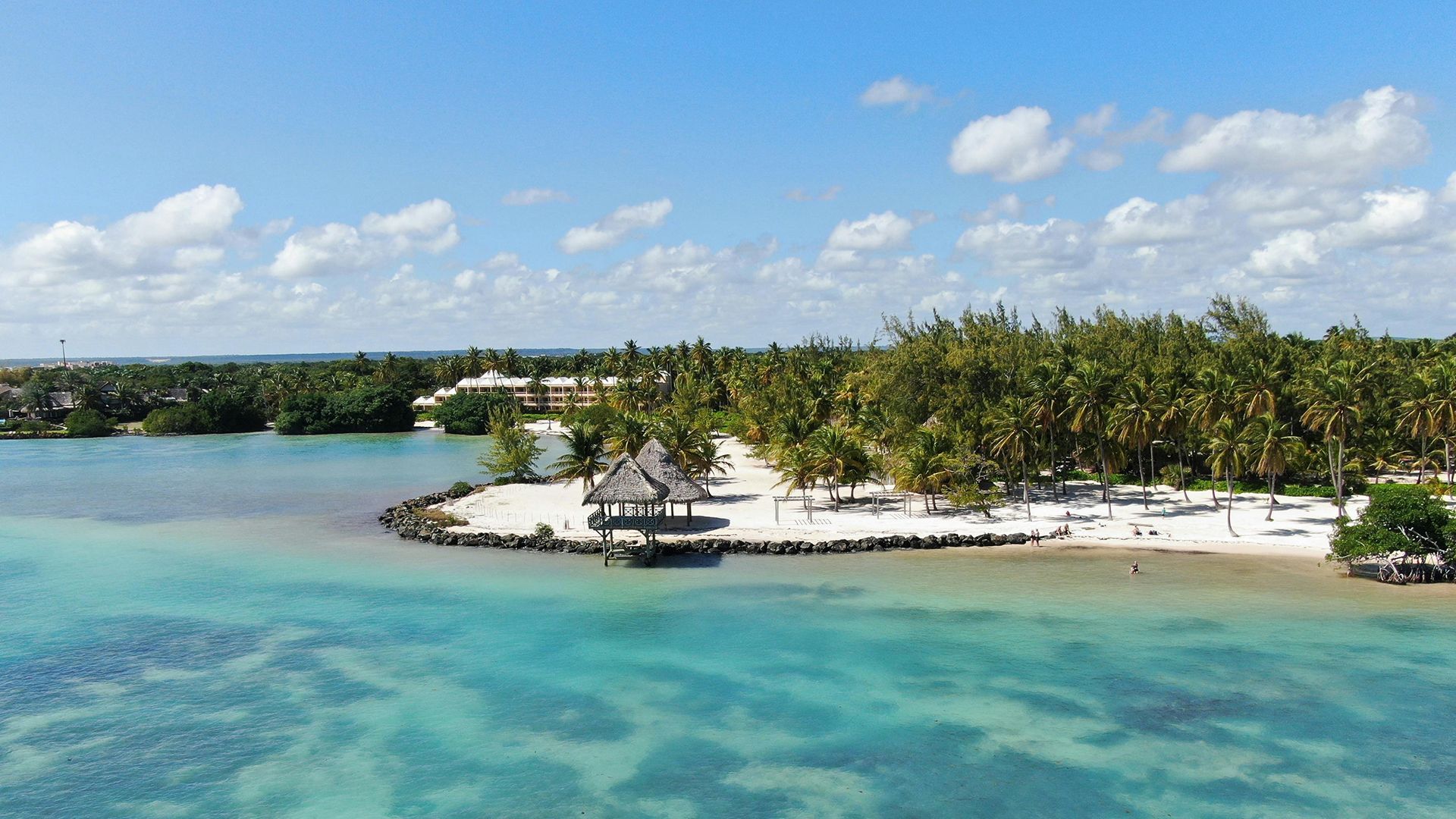
There are no cities to explore, no markets to navigate, no cultural itineraries to plan. The appeal of the Maldives is precisely its refusal to offer those things. An overwater villa, a private pool edging into a turquoise lagoon, a house reef alive with sharks and turtles directly beneath the jetty, and the complete absence of anything that might distract from it: this is what people travel to the Maldives to find. For Muslim couples and families, the fact that this experience exists within a Muslim-majority country where halal food is universal and the Friday prayer echoes across inhabited islands makes it one of the most naturally aligned destinations for Islamic travel anywhere in the world.
This guide is structured around the decisions that actually determine how good a Maldives trip will be: the fundamental choice between resort islands and local islands, how to choose the right atoll for your priorities, what the overwater villa experience genuinely delivers, and the practical steps that separate an exceptional trip from a merely expensive one.
The Decision Every Muslim Traveller Must Make: Resort Island or Local Island?
This is the most important choice in Maldives travel planning, and most general guides gloss over it.
The Maldives operates two entirely distinct tourism models existing side by side across the same archipelago.
Resort islands are private islands, each hosting a single property accessible only to guests, leased to international hotel groups and operating under tourism licences that permit alcohol. These are where overwater villas, infinity pools, and house reefs are found. Halal food is widely available because Maldivian staff are Muslim and guests from Muslim-majority countries make up a significant portion of visitors, but resort islands are not alcohol-free environments. The marine activities infrastructure, villa privacy, and service levels available here are simply not replicated elsewhere.
Local inhabited islands are governed by Maldivian Islamic law. Alcohol is completely prohibited. Halal food is universal by default. Mosques are present and Jumu'ah prayer is a living part of weekly community life. Guesthouses and boutique hotels on islands such as Maafushi, Ukulhas, and Thoddoo have improved substantially in quality over recent years and offer comfortable, well-run accommodation with proper beach and snorkelling access. The experience is fundamentally different: simpler, more grounded, more authentically Maldivian, and considerably more affordable.
For Muslim travellers, the choice comes down to one direct question: is a fully alcohol-free environment the priority, or is the overwater villa and resort experience the priority? Both are valid. Many Muslim families and couples choose to combine both in a single trip, spending time on a resort island for the villa experience and a few nights on a local island for the atmosphere only an inhabited island can deliver.
Choosing the Right Atoll: Why Location Changes Everything
The Maldives spans roughly nine hundred kilometres from north to south, and where you stay within it shapes the trip in ways that go beyond simple resort quality.
North and South Malé Atolls are the most practical starting point for families with young children or travellers who prefer to avoid seaplane transfers. Resorts and local islands here are accessible by speedboat directly from the airport, typically within twenty to forty-five minutes. Local island options including Maafushi sit within this region, making the resort-plus-local-island combination easiest to arrange here.
Baa Atoll is a UNESCO Biosphere Reserve and home to Hanifaru Bay, where seasonal gatherings of manta rays and whale sharks in a single enclosed lagoon create one of the most remarkable marine wildlife experiences on earth. Resorts here require a seaplane transfer of around thirty to forty minutes. If witnessing manta rays feeding in formation is part of what draws you to the Maldives, Baa Atoll belongs on your shortlist.
South Ari Atoll has a resident whale shark population that makes encounters possible on most days throughout the year rather than seasonally. For Muslim families who want the certainty of a whale shark encounter, South Ari delivers this more reliably than anywhere else in the archipelago.
Noonu and Lhaviyani Atolls in the far north offer the Maldives' most remote resort experiences. The journey is longer but the sense of genuine isolation is more complete here than anywhere else in the country. These atolls suit couples for whom absolute seclusion is the defining requirement.
What the Overwater Villa Experience Actually Delivers
The overwater villa is one of the most recognisable images in travel. What it actually feels like to stay in one is worth being specific about for Muslim families deciding whether the investment is justified.
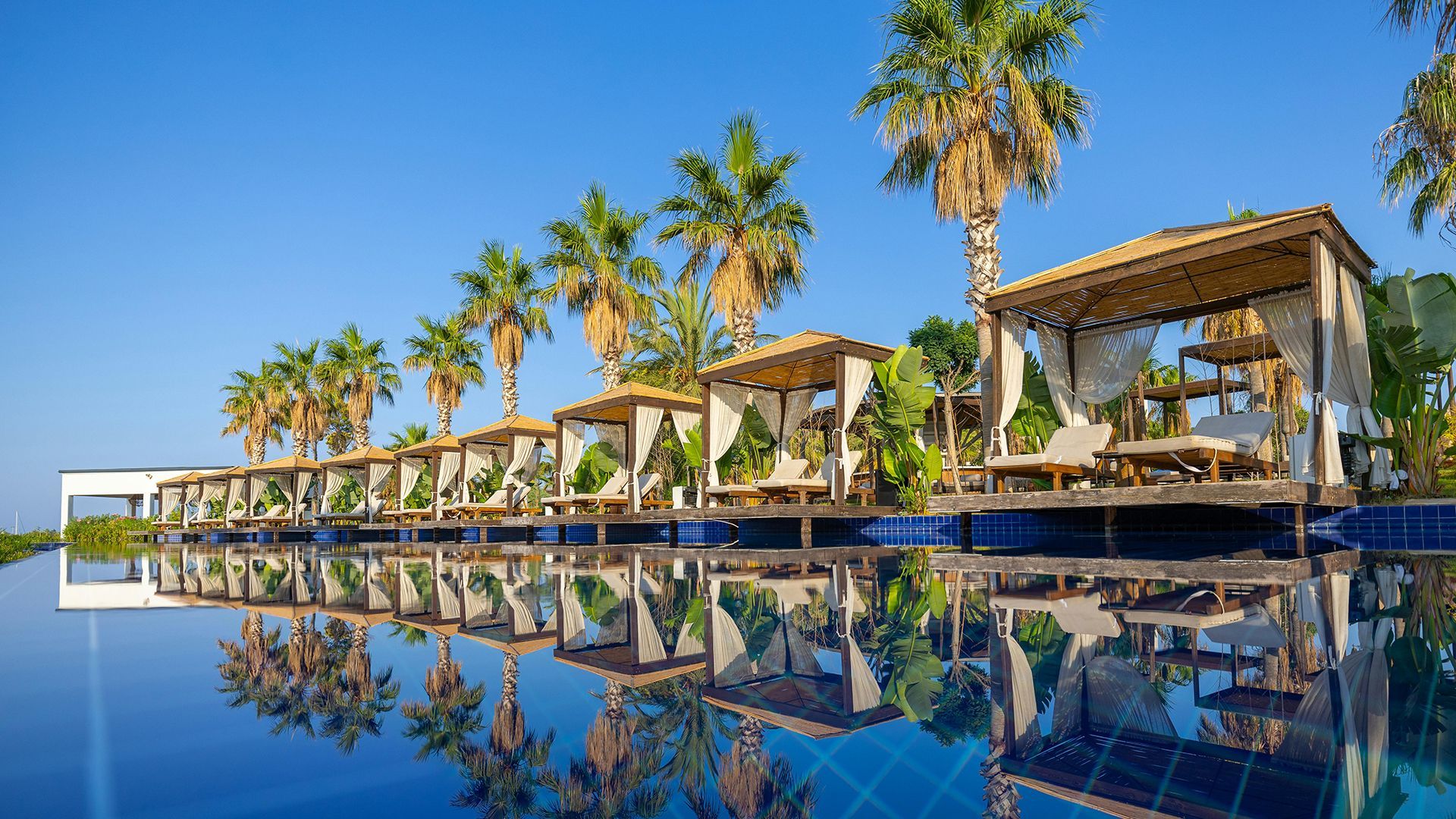
The villa sits on stilts above the lagoon, connected to the island by a timber jetty. The room includes a bedroom with direct lagoon views, a bathroom that opens toward the water in many properties, and a deck with sunloungers and steps descending directly into the lagoon. Many villas include a private plunge pool on the deck. The water beneath is usually shallow enough to see the reef clearly, and on healthy house reefs, sharks, turtles, and reef fish are regularly visible without entering the water at all.
For Muslim couples, the privacy dimension is significant. The physical separation from neighbouring villas, the direct water access from the private deck, and the self-contained nature of the space mean that female guests can swim, relax on the deck, and move freely without the modesty considerations that apply at shared beach or pool areas. This is one of the specific reasons overwater villas have become so consistently popular among Muslim travellers.
Beach villas with private pools offer a similar level of privacy at a lower price point and are often more practical for families with younger children than an overwater structure with open water access from the deck.
Halal Practicalities: Food, Prayer, and What to Confirm Before You Book
The Maldives requires less pre-trip verification around halal standards than almost any non-Muslim-majority destination, but knowing the specifics still matters.
On local islands, no verification is needed. Halal food is universal and the spiritual environment is entirely aligned with Islamic daily life.
At resort islands, the following are worth confirming before booking:
- Which restaurants on the property are naturally halal or can prepare halal meals as standard, and which have shared kitchen arrangements where cross-contamination may be a consideration.
- Whether a prayer mat, local prayer times card for the atoll, and qibla direction information are available in the villa. Most resorts provide these on request; some provide them as standard.
- Whether the resort offers transfers to a nearby inhabited island for Jumu'ah prayer, which many do as a complimentary service.
- Whether the full-board or half-board arrangement is centred on restaurants where halal options are the majority of the menu.
Local prayer times in the Maldives are available via apps such as Muslim Pro set to the nearest inhabited island. The equatorial position of the archipelago means prayer timings remain reasonably consistent throughout the year.
Who the Maldives Is Really For
The Maldives works superbly for specific types of Muslim traveller and less well for others. Being clear about this helps avoid choosing a destination that does not match your family's priorities.
The Maldives is the right choice if you are a couple seeking the most private, most naturally beautiful halal honeymoon destination available, or a family whose holiday centres on the ocean above everything else. It is the right choice if the overwater villa, the reef beneath your feet, and complete seclusion are what you are travelling for. It is also the right choice for Muslim travellers who want to experience an inhabited Muslim community in the middle of the Indian Ocean, far from the pressures of ordinary life.
The Maldives is a less obvious fit if your family travels primarily for culture, cuisine variety, and city exploration. For those priorities, Mauritius, Morocco, and Turkey each deliver far more richly. The Maldives makes no apology for what it offers: it offers the ocean, in extraordinary depth, and leaves everything else to other destinations.
Quick Answer
Halal holidays in the Maldives benefit from the country's Muslim-majority status, with halal food universal on local islands and alcohol completely banned there by law. Resort islands permit alcohol but accommodate halal dining well and offer unmatched overwater villa privacy. The Maldives is widely regarded as the finest halal honeymoon destination in the world, combining extraordinary marine life and complete seclusion within a country governed by Islamic principles.
Frequently Asked Questions
Is the Maldives the best halal honeymoon destination?
For couples who want seclusion, an overwater villa, and extraordinary natural beauty within a Muslim-majority country, the Maldives is the strongest halal honeymoon destination in the world. The privacy of a villa with a private pool, the coral reef beneath your feet, and the absence of any competing noise or distraction creates an experience that no other destination quite replicates. Mauritius offers more cultural depth; the Maldives offers more complete escape.
Should I stay on a resort island or a local island in the Maldives?
It depends on your priority. Local islands such as Maafushi are fully alcohol-free, deeply affordable by Maldives standards, and offer an authentic Maldivian Muslim community experience. Resort islands deliver the overwater villa, the best marine infrastructure, and the highest service levels, but are not alcohol-free. Many Muslim families combine both in one trip, which gives the most rounded experience of what the Maldives genuinely is.
Is there good halal food in the Maldives?
On local inhabited islands, halal food is universal by Maldivian law. At resort islands, halal requirements are well understood and consistently accommodated, as Maldivian staff are Muslim and a significant proportion of guests are from Muslim-majority countries. Maldivian cuisine built around fresh tuna, coconut, and tropical produce is naturally halal and worth seeking out on any local island visit.
Are seaplane transfers suitable for families with young children?
Seaplane transfers take between twenty minutes and an hour and offer spectacular views of the atolls. Most adults find them a highlight of the trip. For families with very young children or those who prefer to avoid small aircraft, speedboat-accessible resorts and local islands in North and South Malé Atolls are the practical alternative, with transfers of thirty to forty-five minutes directly from the airport by boat.
What is there to do in the Maldives beyond the beach?
The Maldives centres entirely on the ocean: snorkelling from the villa jetty, diving on house reefs and channel drift sites, manta ray encounters at Hanifaru Bay, whale shark snorkelling in South Ari Atoll, sunset fishing on traditional dhoni boats, sandbank picnics on uninhabited sandbars, and visits to nearby inhabited islands including mosque visits and local market exploration. The Maldives is not a destination for those who need structured activity on land. Its gift is the depth of what the ocean delivers to those who give themselves to it.
How long should a Maldives holiday be?
Seven nights is the minimum that allows the pace of island life to properly take hold. Ten to fourteen nights suits honeymooners and families who want to combine a resort island stay with time on a local island. The journey from the UK is significant enough that arriving for fewer than seven nights makes the travel feel disproportionate to the stay.
Plan a Maldives Holiday Worth Every Moment
Halal holidays in the Maldives occupy a category entirely their own in Islamic travel. The decision to go is a decision to remove everything unnecessary: no agenda, no itinerary, no noise beyond the water and the call to prayer in the distance. What remains is one of the most beautiful environments on earth, complete privacy, and a country where your faith is not an accommodation but a given.
Speak with one of our travel specialists about the atoll, resort, and local island combination that suits your family's priorities. Whether you are planning a halal honeymoon, a family trip built around the ocean, or simply the most private and beautiful week of your life, the Maldives delivers when it is planned properly.