Top Halal Travel Destinations for 2026-2027
Summary
Muslim holidays in 2026 and 2027 are being shaped by a genuinely exciting shift: destinations that were previously overlooked, inaccessible, or underdeveloped for international visitors are now ready, and in several cases they are ready in a way that suits Muslim travellers particularly well. Saudi Arabia has opened its doors to tourism on a scale that would have been unimaginable a decade ago. Albania's Riviera is gaining a following among European Muslim travellers. Japan's halal food infrastructure has matured to the point where it is one of our most booked long-haul destinations. Thailand continues to grow as one of the strongest-selling halal destinations for UK families. The map of where Muslim travellers can go, and where they can go well, has never been broader.
Why 2026-2027 Is a Genuinely Exciting Moment for Muslim Holidays
The Muslim travel market is the fastest-growing segment of global tourism, and destinations around the world have noticed. Investment in halal food infrastructure, prayer facilities, and muslim friendly accommodation has accelerated across regions that previously required significant compromise from Muslim visitors.
This is not simply a case of existing destinations adding a halal menu option. Entirely new tourism ecosystems are being built in Saudi Arabia with Islamic heritage at their heart. The Balkans are offering Muslim-majority European destinations that were largely invisible to UK travellers five years ago. East Africa's island destinations, particularly Zanzibar, are being recognised as the extraordinary halal holiday options they have always been. And Southeast Asia's Muslim-majority islands, particularly Lombok in Indonesia, are finally receiving the international attention their beaches and culture deserve.
This guide covers the destinations most worth knowing about for 2026 and 2027 muslim holidays: the places that are ready now and that will reward the families and couples who book them while the crowds are still finding their way there. Whether you are planning through a specialist or exploring independently, these are the destinations to have on your list.
Saudi Arabia: The Most Significant New Destination in Islamic Travel
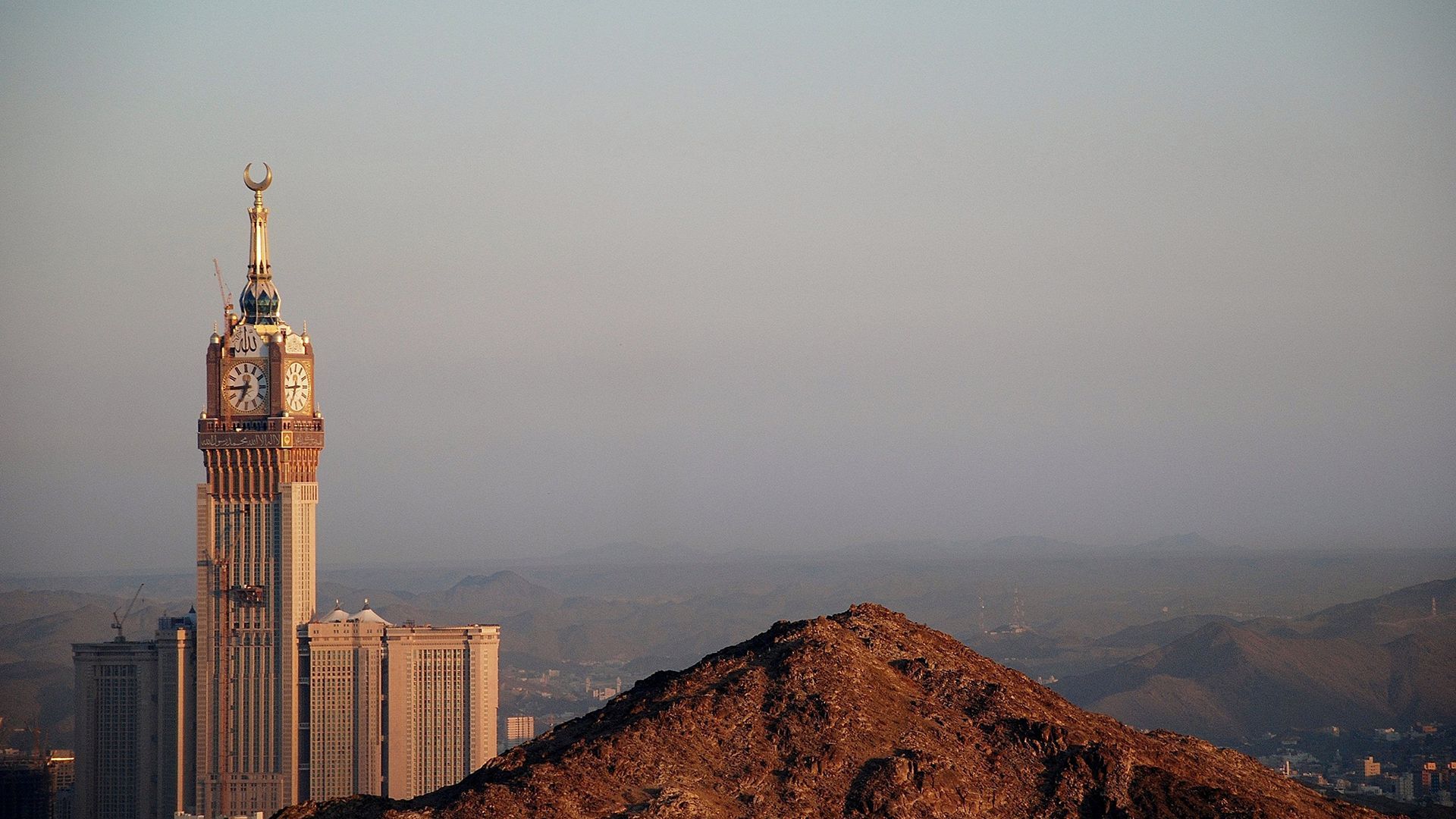
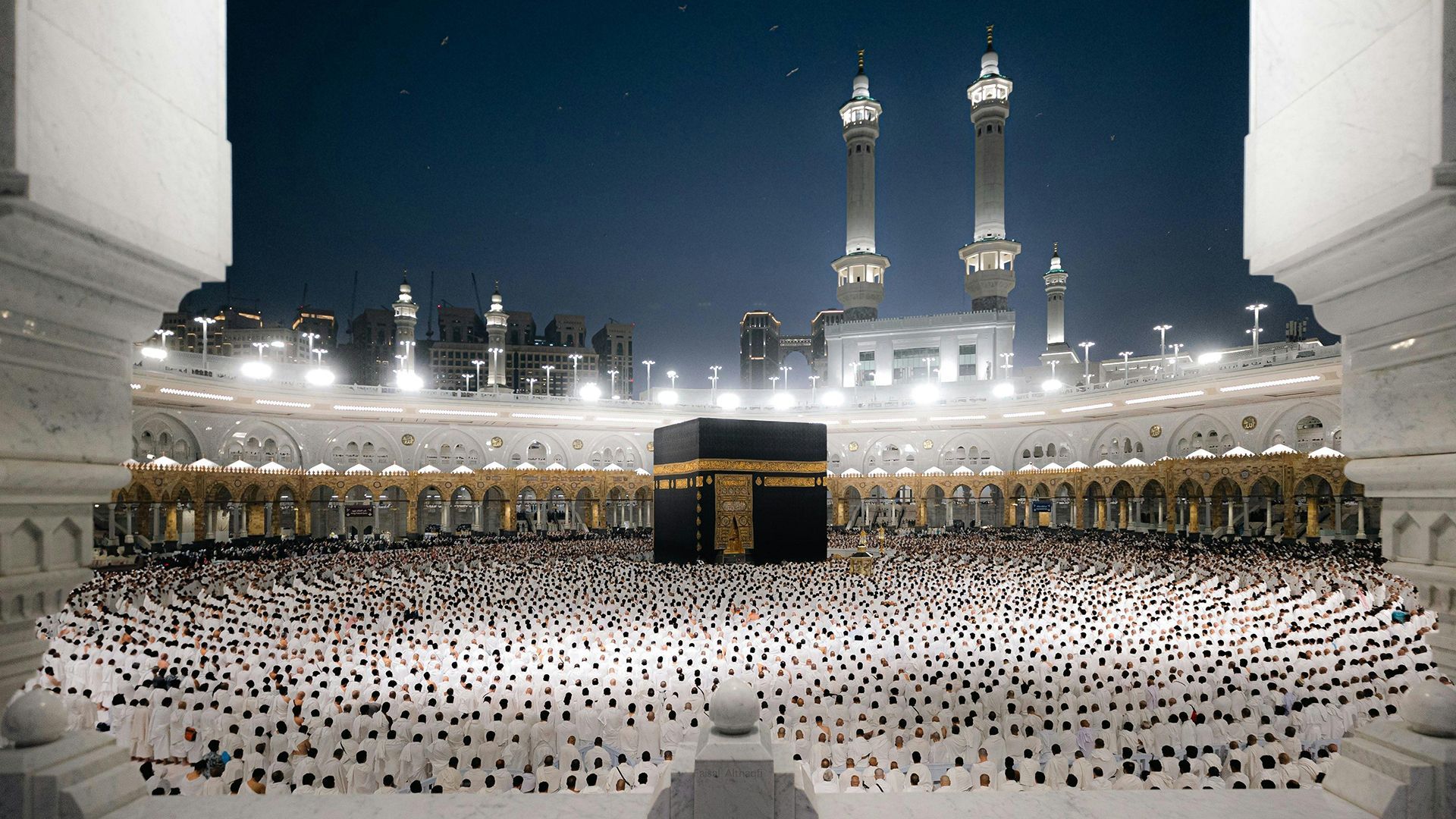
Saudi Arabia's transformation into an international tourist destination is one of the most significant developments in global travel over the past five years, and for Muslim travellers it carries a dimension that no other destination can match. This is the country of the Two Holy Mosques. Every corner of it carries Islamic history, and the government's Vision 2030 programme is investing in making that history accessible and extraordinary for international visitors.
AlUla is the destination within Saudi Arabia that deserves the most attention from Muslim travellers in 2026-2027. Located in the northwest of the country, it is home to Hegra (also known as Mada'in Salih), a UNESCO World Heritage Site of Nabataean tombs carved into sandstone mountains on a scale comparable to Petra. The landscape is extraordinary: rose-red rock formations, ancient tombs, and vast desert silence. The Saudi Tourism Authority has invested heavily in AlUla's infrastructure, with luxury resort accommodation, guided heritage experiences, and a growing calendar of cultural events including the Hegra season from October to March when the desert climate is at its most welcoming.
Beyond AlUla, Saudi Arabia's halal credentials require no verification: it is the birthplace of Islam and operates entirely under Islamic law. Halal food is universal. Alcohol is prohibited. Prayer times punctuate every day across the country. For Muslim travellers the experience of visiting as a tourist, rather than solely as a pilgrim, is genuinely new and genuinely remarkable.
The Red Sea Project, an ambitious new coastal tourism development on the country's western coast, is introducing luxury resort accommodation on islands that combine pristine marine environments with the Saudi government's commitment to sustainable and culturally sensitive tourism. This will become one of the most significant new halal resort destinations in the world as the development matures through 2026 and beyond.
The Balkans: Europe's Muslim-Majority Destinations Finally Getting Noticed
The Balkans contain some of Europe's most overlooked destinations for Muslim travellers, and 2026-2027 is the moment they are beginning to reach the mainstream for UK families.
Albania is the one to know first. A Muslim-majority country on the Adriatic and Ionian coasts, it combines some of Europe's most dramatic mountain landscapes with beaches that rival the Croatian coast at a fraction of the cost and crowds. The Albanian Riviera, stretching from Sarandë to Himarë, has developed rapidly in recent years without losing the sense of relative discovery that makes it so appealing. Halal food is widely available throughout the country. Mosques are part of the urban landscape. The capital Tirana has transformed into a genuinely engaging city with excellent restaurants and a vivid cultural energy.
Bosnia and Herzegovina offers something different: Ottoman heritage woven into a European landscape in a way that exists nowhere else on the continent. Sarajevo's old town, the Baščaršija, is built around a sixteenth-century bazaar and mosque complex that feels more like Istanbul than anything else in Europe. Mostar's iconic bridge, rebuilt after its destruction in the 1990s war, spans the Neretva river against a backdrop of minarets and medieval stone buildings. Halal food is the default in both cities. The country is Muslim-majority and its Islamic heritage is living rather than museum-bound. For muslim friendly holidays that combine European accessibility with genuine Islamic cultural depth, Bosnia is the strongest emerging option available.
Kosovo rounds out the Balkans trio: Muslim-majority, compact, and largely undiscovered by UK travellers, with a developing tourism infrastructure and a genuinely warm welcome for international visitors.
East Africa: Zanzibar and Kenya for Muslim Travellers Ready to Go Beyond the Familiar
East Africa is one of the most underused regions for muslim holidays from the UK, and it should not be. The combination of wildlife safari and Indian Ocean beach in a single trip is available almost nowhere else in the world, and the halal infrastructure of the region is considerably stronger than most UK Muslim travellers realise.
Zanzibar is a Muslim-majority archipelago off the coast of Tanzania where halal food is the universal default, mosques are everywhere, and the beaches are genuinely extraordinary. Stone Town, the UNESCO World Heritage old city, carries centuries of Swahili, Arab, and Persian influence in its architecture, its food culture, and its daily life. The beaches of Nungwi in the north and Paje on the east coast are among the finest in the Indian Ocean. Combining a few nights in Stone Town with beach time and a mainland Tanzania safari gives a trip of extraordinary range: Islamic heritage, wildlife, and ocean, all within a Muslim-majority region.
Kenya's safari circuit, particularly the Masai Mara during the annual wildebeest migration (July to October), is one of the great wildlife experiences on earth. Nairobi has a well-established Muslim community with excellent halal restaurants, and several safari lodges can accommodate halal dietary requirements when notified in advance. A private villa or exclusive safari camp arrangement, with a private halal chef, removes the food uncertainty from the equation entirely and allows Muslim families to focus on the extraordinary landscape.
Japan: The Halal Destination That Keeps Surprising Muslim Travellers
Japan belongs on the 2026-2027 list for a specific reason: its halal food infrastructure has improved faster over the past three years than almost any other non-Muslim-majority destination in the world, and the travel experience it offers is unlike anything available elsewhere. For Muslim families from the UK who have done Turkey, done the Maldives, and want something genuinely different, Japan is the answer that consistently exceeds expectations.
Tokyo, Osaka, and Kyoto all have established and growing halal restaurant scenes. The Japan Tourism Agency has invested deliberately in making the country more accessible to Muslim visitors, and the results are visible: halal ramen, sushi, and Japanese curry restaurants are now clearly marked in the main tourist districts of all three cities. Osaka's Dotonbori food street has a growing concentration of certified halal options. Kyoto's restaurant scene, traditionally more conservative about international dietary requirements, has followed the lead of the bigger cities.
What Japan offers Muslim families beyond its improving halal food credentials is a travel experience of extraordinary depth and variety:
- Tokyo for the energy, scale, and astonishing food culture of one of the world's great cities.
- Kyoto for Buddhist temples, Shinto shrines, the bamboo groves of Arashiyama, and the preserved geisha district of Gion at dusk.
- Hakone for views of Mount Fuji across Lake Ashi and the extraordinary experience of a traditional ryokan with a private onsen hot spring bath.
- Hiroshima and Miyajima for history, the floating torii gate, and a quieter pace than the main cities.
- Hokkaido for families and couples who visit in winter, where the snow landscapes, ski resorts, and seafood culture create a completely different Japan from the one most visitors expect.
The bullet train network connecting these destinations is itself part of the experience. Travelling at over 300 kilometres per hour through Japan's landscape is one of the genuinely memorable things about visiting the country, and the network makes multi-city itineraries practical and efficient.
For Muslim families considering Japan, a private villa or serviced apartment with kitchen access, combined with our private halal chef arrangement, resolves the food dimension entirely and allows the trip to focus on everything Japan does that no other destination on earth replicates.
Thailand: Consistently One of Our Best-Selling Halal Destinations
Thailand appears on this list not as an emerging destination but as one that more Muslim families from the UK should be booking, and one that has continued to strengthen its halal offering through 2025 and into 2026. It is one of our strongest-selling destinations for a straightforward reason: it delivers an exceptional holiday across virtually every type of traveller, and its halal food infrastructure in the main tourist areas has matured to the point where it requires very little advance planning.
The Muslim community in southern Thailand, particularly in the provinces bordering Malaysia, has produced a halal food culture that extends along the coast and into the main tourist areas. In Phuket, halal restaurants are clearly marked throughout Patong, Kata, and Kamala. The island's appetite for Gulf Arab tourism has driven sustained investment in halal dining, and the results are visible in the quality and variety of certified options available. Koh Samui has a well-established halal food scene concentrated in the Chaweng and Bophut areas. Krabi and its surrounding islands, including Koh Lanta (a largely Muslim fishing community), have halal food as a natural part of daily life rather than a tourist accommodation.
Thailand's appeal for muslim friendly holidays in 2026-2027 spans every type of traveller:
- Families drawn by the beaches, the ethical elephant sanctuaries near Chiang Mai, the accessible snorkelling and diving, and the warmth of Thai hospitality.
- Couples seeking private villa accommodation with infinity pools, personal butler service, and the extraordinary private island and bay experiences available around Phuket and Krabi.
- Adventure travellers who want island-hopping by speedboat, rock climbing on the limestone karsts of Railay Beach, diving the Similan Islands, or trekking in the northern hill country around Chiang Mai.
- Food-focused families who find Thai cuisine, with its fish, seafood, rice, and tropical fruit culture, naturally halal and one of the world's great food experiences.
Private villa accommodation with a private halal chef is the preferred arrangement for many of our Muslim clients in Thailand, removing the ambient presence of alcohol that comes with hotel dining and giving the family complete privacy throughout. The villa stock in Phuket and Koh Samui is among the finest in the world at this type of property.
Southeast Asia's Next Chapter: Lombok and Sri Lanka
Within Southeast Asia, two destinations are particularly well-positioned for 2026-2027 and are increasingly appearing on the radar of Muslim families from the UK.
Lombok, the Indonesian island immediately east of Bali, is a Muslim-majority destination with beaches, surf, and a natural environment that rivals its more famous neighbour without the crowds, the alcohol-heavy atmosphere, or the cultural friction that Bali can present for Muslim families. The Gili Islands off Lombok's northwest coast (Gili Trawangan, Gili Meno, and Gili Air) offer some of the finest snorkelling in Southeast Asia in an environment that is accessible and genuinely beautiful. The Rinjani volcano dominates the island's interior and offers trekking experiences for families with older children and teenagers. Halal food is universal across Lombok and the halal resorts market is developing rapidly.
Sri Lanka is at a point in its tourism recovery where the infrastructure is excellent, the crowds are more manageable than in peak years, and the halal food scene in the main tourist areas has developed significantly. The country has a Muslim minority of around ten per cent, concentrated in areas including the east coast, which has produced a halal food culture in tourist areas that is more reliable than many visitors expect. The combination of wildlife (leopards in Yala, elephants in Minneriya), culture (the ancient cities of Anuradhapura and Polonnaruwa, the Temple of the Tooth in Kandy), and beaches (the south coast's golden bays and the east coast's quieter alternatives) makes Sri Lanka one of the most varied destinations available at a reasonable journey time from the UK.
What to Look for When Booking 2026-2027 Muslim Holidays
As the destinations available for Muslim travellers expand globally, a few principles remain consistent regardless of where you are going.
Verify halal food standards specifically for your destination. In Muslim-majority countries, the default is strong. In emerging destinations, confirm which restaurants and hotels hold certification rather than assuming.
- Book earlier than you think you need to. Saudi Arabia's AlUla and the Red Sea Project in particular have limited accommodation capacity relative to growing demand, and the best properties are filling well in advance.
- Consider the private villa plus private halal chef combination for destinations where restaurant halal certification is less consistent. It removes all food uncertainty and gives complete privacy regardless of destination.
- Check flight connections. Several of the most exciting emerging destinations for 2026-2027 require one connection. Turkish Airlines, Emirates, and Qatar Airways cover the widest range of these destinations from London and regional UK airports.
- Use the Halal World Travel prayer times page to check local prayer times for any destination before travel, particularly for emerging destinations where on-the-ground information may be less familiar.
Quick Answer
The top halal travel destinations for 2026-2027 include Saudi Arabia (particularly AlUla and the Red Sea Project), Albania and Bosnia in the Balkans, Zanzibar and Kenya in East Africa, Japan (with its rapidly improving halal food infrastructure), and Thailand (one of the strongest-selling halal destinations for UK Muslim families). Each rewards Muslim travellers from the UK in ways that go well beyond the established destinations.
Frequently Asked Questions
Is Saudi Arabia open to Muslim tourists from the UK?
Yes. Saudi Arabia launched its international tourist visa programme in 2019 and has invested heavily in tourism infrastructure since then. UK passport holders can obtain an e-visa. AlUla, the Red Sea Project, and the heritage sites of Riyadh and Jeddah are all open to international visitors. As an Islamic state, Saudi Arabia is entirely halal by default and alcohol is prohibited throughout the country.
Is Albania a good Muslim holiday destination?
Yes. Albania is a Muslim-majority country in southeastern Europe with excellent Adriatic and Ionian coast beaches, dramatic mountain landscapes, and a rapidly developing tourism infrastructure. Halal food is widely available, mosques are part of the urban landscape, and the country offers a genuinely different European experience for Muslim families at very competitive prices. Tirana is a short flight from London.
Is Zanzibar suitable for Muslim families?
Zanzibar is one of the most naturally suited destinations for muslim friendly holidays in the world. As a Muslim-majority archipelago, halal food is the universal default, mosques are part of every community, and the call to prayer is part of daily life. Stone Town's Islamic heritage is extraordinary. The beaches of Nungwi and Paje are among the finest in the Indian Ocean. It suits both families and couples extremely well.
Is Japan a good halal holiday destination?**
Japan has improved its halal food infrastructure significantly and is now one of the most rewarding non-Muslim-majority destinations for Muslim travellers. Tokyo, Osaka, and Kyoto all have established halal restaurant scenes with certified options clearly marked. The country's combination of extraordinary food culture, bullet train travel, traditional ryokan accommodation with private hot spring baths, and landscapes from Mount Fuji to Hokkaido makes it one of the most distinctive and memorable destinations for Muslim families and couples.
Is Thailand good for Muslim families?
Thailand is one of our best-selling destinations for Muslim families and consistently delivers an excellent experience. Halal restaurants are clearly marked throughout Phuket, Koh Samui, and Krabi. Koh Lanta has a Muslim-majority local community where halal food is the default. Private villa accommodation with a private halal chef is the preferred arrangement for many of our Muslim clients, giving complete privacy and food confidence throughout the stay. Thailand suits families, couples, and adventure travellers equally well.
Which new halal resort destinations are opening in 2026-2027?
Saudi Arabia's Red Sea Project is the most significant new halal resort development globally, with luxury island accommodation being developed on the Red Sea coast. Lombok's halal resort market is expanding rapidly. Albania's Riviera is seeing new boutique hotel development. Each represents a genuinely new option for Muslim travellers who want to go somewhere different in 2026 or 2027.
How do I find halal food in emerging destinations?
For emerging destinations where restaurant halal certification is less consistent than in established Muslim travel markets, arranging a private villa with a private halal chef is the most reliable solution. We can organise this across all our destinations worldwide. Alternatively, staying in Muslim-majority areas within a destination, researching certified restaurants in advance, and self-catering from local halal markets are all reliable approaches.
Know What You Are Booking Before You Arrive
The most rewarding muslim holidays are often the ones that go somewhere before everyone else arrives. Saudi Arabia's AlUla will eventually be one of the world's great tourist destinations, but in 2026 it still feels like a discovery. Albania's Riviera is gaining momentum but has not yet reached the crowds of Croatia or Greece. Japan rewards Muslim families who make the journey in a way that almost no other destination does. The timing on all of these is genuinely good right now.
Speak with one of our specialists to plan the 2026 or 2027 trip that suits your family. Whether you are drawn to ancient Islamic heritage, emerging beach destinations, East African safari, or something else entirely, we can arrange it properly, including private villa accommodation and private halal chef arrangements anywhere in the world.
Recent Posts