Cheap Halal Holidays: When to Travel for Better Value
Summary
The cheapest halal holidays are often found by travelling outside peak periods, comparing alternative departure dates and choosing destinations with lower seasonal demand. To get the best value, compare the total cost of flights, accommodation, meals and transfers while ensuring your holiday meets your requirements for halal food, privacy and suitable facilities.
The same hotel can feel like a very different purchase depending on when you go. One week, your budget might stretch to a standard room. On another departure, it may bring a longer stay, a better meal plan or accommodation that suits your family more comfortably. Finding cheap halal holidays starts with understanding those choices, rather than chasing the lowest number on a search page.
Dates matter, but so do the details behind the offer. A lower price is less useful if suitable meals involve daily taxi journeys or the pool you hoped to use provides no privacy. The Halal World Travel team can help you compare dates and accommodation around your requirements, using their specialist knowledge to identify where your money will make the greatest difference.
Look Either Side of the Busiest Weeks
Shoulder season is the period between a destination’s busiest and quieter months. It is a useful starting point for comparing holidays because you may still enjoy appealing conditions without travelling at the height of demand. It does not guarantee a discount, but it gives you alternatives worth pricing.
For a Mediterranean resort, that might mean considering late spring or early autumn alongside July and August. For a city break, the calculation is different: you may be happy with cooler weather if the main pleasures are museums, historic streets and long lunches.
Check local calendars too. A week outside British school holidays can coincide with a festival, a major event or another country's holiday period. Ramadan and Eid also deserve attention, both for demand and for changes to meal timings and local routines. There is no universal cheapest month for Muslim holidays.
Turkey: Compare Late Spring and Early Autumn
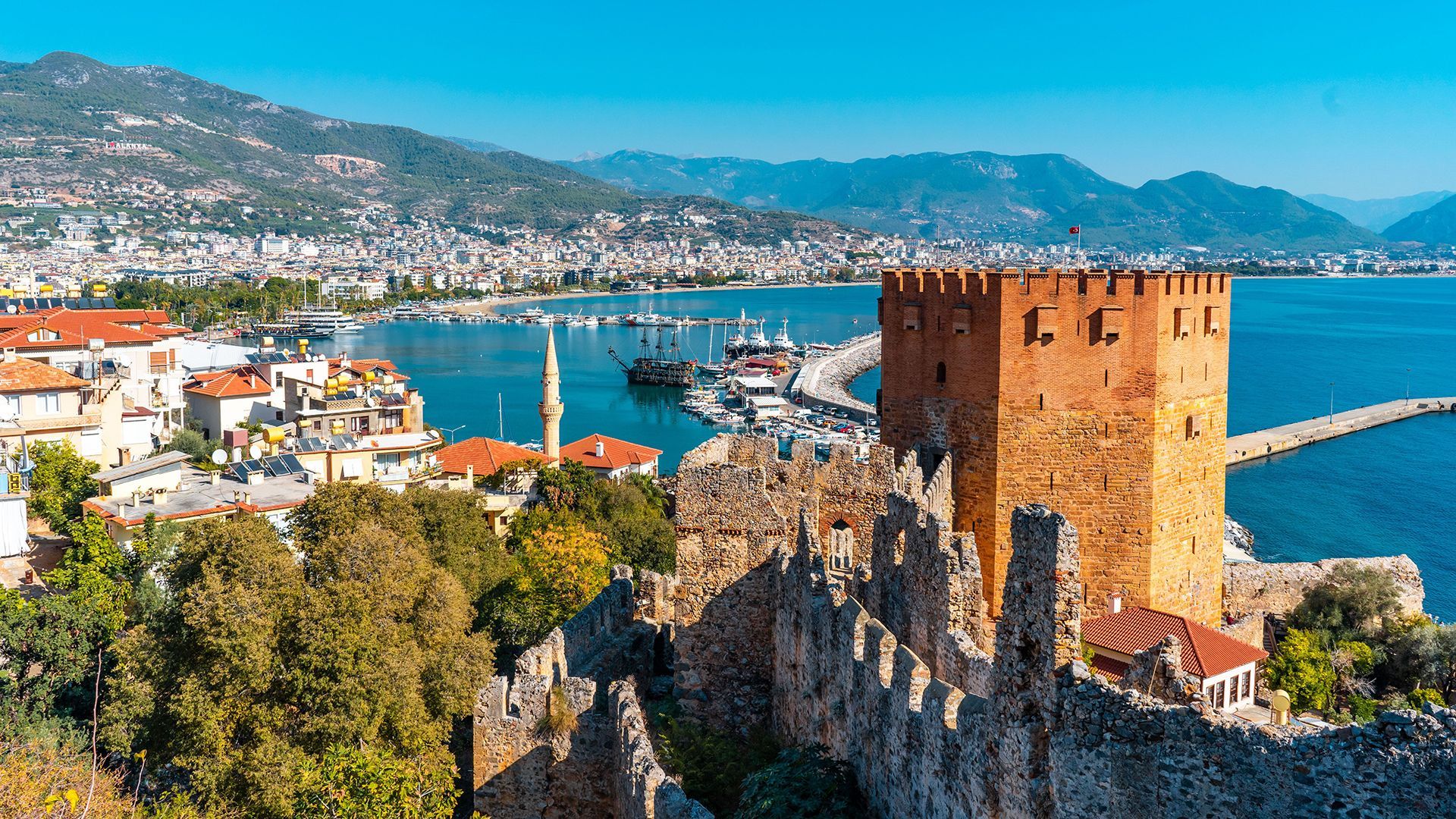
For Turkey's Mediterranean coast, compare May, June, September and early October with peak summer departures, checking school-holiday dates within those months. GoTürkiye highlights the Turkish Riviera's continuing autumn warmth, when softer temperatures also make visits to ancient sites more comfortable.
That combination can suit a holiday with more variety: time at your hotel, a stroll through Antalya's old quarter and an outing into the region’s history. You do not need every day to revolve around the beach.
Before booking a halal all inclusive resort outside peak summer, confirm which facilities operate on your dates. Women-only areas, outdoor pools, children's clubs and restaurants may have seasonal schedules. Pool heating is another question worth asking. A lower room rate does not offer better value if the facility you chose the hotel for is unavailable.
Ask Halal World Travel to compare suitable resorts on more than one departure date. Make your priorities clear, especially alcohol policy, halal catering and women's swimming arrangements. Their advice can help distinguish a useful saving from a cheaper stay that does not meet your needs.
Morocco: Let the Kind of Trip Decide the Season
Morocco rewards a little thought about geography. Marrakech, the Atlantic coast and the mountains do not offer identical conditions, so a single national weather label is not enough. The Moroccan National Tourist Office describes a country shaped by several climatic influences and highlights spring and autumn for inland exploration.
If you picture yourself wandering a medina, stopping for mint tea and enjoying a courtyard riad, compare quieter winter dates as well as spring and autumn. Cooler evenings may be perfectly acceptable for a cultural stay. Ask about room heating, sheltered communal areas and the practical route to restaurants.
For a holiday centred on swimming, winter becomes a different proposition. Confirm whether the pool is heated and whether the temperature is likely to suit you. Spring and autumn may offer a more appealing balance for your plans, but popular dates can still command strong prices. Compare the actual quote rather than assuming that every week outside summer is cheap.
Thailand: Understand What the Lower Season Brings
Thailand's quieter months can produce attractive accommodation offers, but the weather trade-off needs to suit the trip. The Tourism Authority of Thailand notes discounted low-season room rates on Phi Phi, alongside generally more favourable visiting conditions from November to April.
For Phuket, Krabi and the Andaman Coast, wetter months can bring rougher sea conditions as well as rain. Boat outings may be affected. A lower-priced room is a poor exchange if the main reason for travelling is a series of island excursions that cannot reliably go ahead.
The Gulf coast follows a different rainfall pattern, so do not apply Phuket's calendar to Koh Samui. Plan by region. A stay with flexible days, good indoor facilities and time to enjoy the hotel may suit changeable weather better than an itinerary built around fixed boat trips.
Discuss that balance with the Halal World Travel team before choosing an offer. They can help you consider suitable hotels and halal food arrangements alongside the location and itinerary. Long-haul flight costs must also be included: a discounted hotel alone does not establish a cheaper holiday overall.
If School Holidays are Fixed, Change Another Part of the Plan
A family holiday does not always have the freedom to travel in quieter weeks. If your dates are fixed, look at the destination, airport, length of stay and room choice instead. Request several comparable options for your actual holiday window.
A different departure day may produce a better quote, but there is no dependable rule that a particular weekday is always cheapest. Likewise, a more distant airport may save on flights while adding parking, rail fares or an overnight hotel. Count those costs before celebrating the difference.
Consider one comfortable base rather than several hotel changes. It can reduce transfers and make family routines easier. A shorter stay in accommodation that meets your requirements may also be more enjoyable than a longer holiday spent compromising on food, space or privacy.
Compare the Whole Holiday, Including the Ordinary Expenses
Start with the complete cost for everyone travelling. Include flights, luggage, accommodation, transfers, meals, entry requirements where applicable, insurance and the activities you realistically want to do. Then compare alternatives using the same assumptions.
All inclusive can help you plan spending when the included food and facilities suit your family. Check which restaurants, snacks and drinks are covered, and whether halal provision applies throughout. A hotel offering halal dishes is different from one where all food is halal; neither statement alone establishes an alcohol-free environment.
A villa or apartment can work well for a larger family sharing the cost, particularly if you value separate bedrooms and some meals at home. Add groceries, transport, cleaning charges and any pool-heating fee. Confirm access to suitable food before choosing an isolated property.
If women's swimming privacy is essential, keep it on the requirements list even when comparing cheaper options. A private pool means exclusive use, but does not automatically mean it is screened from neighbouring buildings, paths or staff access. A quiet public beach provides no such assurance either.
Book Early or Wait for an Offer?
Start comparing early when you need a specific room layout, secluded pool or several rooms together. Waiting narrows the choice, and a last-minute saving is only useful if the remaining accommodation works for you.
Travellers with flexible dates and destinations can consider later offers, but should allow enough time for documents and practical arrangements. There is no guaranteed booking window that delivers the lowest price. Ask about cancellation conditions and payment deadlines as carefully as the headline cost.
Give Halal World Travel a total budget and separate essential requirements from preferences. The team can then help compare meaningful alternatives, such as another travel week, a different hotel or a revised meal plan. Specialist advice is most valuable when it protects the parts of the holiday you genuinely need.
Frequently Asked Questions
When is the cheapest time to take a halal holiday?
There is no single cheapest month. Compare dates outside peak demand and consider shoulder seasons, while checking local holidays, weather and hotel operations. The best value depends on your destination and the facilities you need.
Are halal all inclusive holidays better value?
They can be if you will use the included meals and facilities. Compare the total against another meal plan, and confirm halal coverage, alcohol policy and any charges for restaurants or activities.
Can I find better value during school holidays?
Yes, it is worth comparing destinations, departure airports, trip lengths and room categories within your permitted dates. Savings are not guaranteed, and airport travel or extra hotel charges can offset a lower fare.
Are private-pool villas always expensive?
Not necessarily. Sharing a suitable villa may make the cost per person competitive, but include transport, food and extra fees. Confirm visual privacy for the exact property rather than relying on the words "private pool".
Should I wait for a last-minute halal holiday deal?
Only if your requirements are flexible and you can complete travel preparations in time. Families needing specific rooms or privacy arrangements should compare earlier, when they have more options.
A well-priced holiday still needs to feel like the trip you wanted. Keep the experiences that matter, whether that is exploring a medina, discovering Turkey's history, or spending time together in comfortable accommodation. Changing the date can be worthwhile; changing everything you hoped to enjoy usually is not.
Recent Posts