Islamic Heritage Holidays: From the Palaces of Granada to the Silk Road
Summary
An Islamic heritage holiday explores historic mosques, palaces, madrasas and ancient cities that reflect the development of Islamic civilisation. Popular destinations include Granada and Córdoba in Spain, Istanbul, Samarkand and Bukhara along the Silk Road, Fez, Cairo and Sarajevo, each offering distinctive architecture, cultural history and opportunities to learn about the Muslim world.
Walk through the palaces of Granada, look up at Samarkand's blue-tiled madrasas or spend a morning exploring
Ottoman Sarajevo. Islamic heritage holidays offer the chance to see places you may have read about for years, and discover others you knew little about. Our itineraries bring together remarkable architecture, local culture and time to enjoy the journey, with stays and halal travel arrangements tailored to you.
Some places make you want to call someone over. Come and look at this. A ceiling in the Alhambra, so intricately worked that you find yourself standing beneath it for far longer than expected. The vast entrance to a madrasa in Samarkand. A detail your child spots before you do.
That is a wonderful way to encounter history. You can walk through a palace courtyard, follow a street towards a mosque, or listen as a guide explains why scholars once travelled so far to reach this city. The names and places begin to mean something different.
For many Muslim travellers, there is a personal connection too. These journeys can stir curiosity about family, faith and the wider history you belong to. For children, they can open up a world of architects, craftspeople, travellers and ideas that feels much larger than a classroom lesson.
You can follow that curiosity through a week in Andalucía, a few days in Istanbul or a longer journey along the Silk Road. Here are some of the places we would love to help you discover.
Al-Andalus: A Palace Visit You Will Remember
Granada is somewhere to stay a little longer. There is the day you see the Alhambra, of course, but also the evening afterwards, when you look back towards it from the Albaicín and recognise the place you have just explored.
Inside the Nasrid Palaces, the detail can stop you mid-conversation. Calligraphy, patterned tiles and carved plasterwork cover surfaces you might have expected to be plain. Water runs through courtyards; rooms open onto views. With a guide who can explain the inscriptions and the choices behind the design, you begin to appreciate how much thought went into every space.
Allow time for the
Generalife gardens and another day for wandering Granada itself. The Albaicín's streets and viewpoints give you a reason to keep walking, then find somewhere to sit. A comfortable hotel and an unhurried dinner make a lovely finish to a day with so much to absorb.
Under the Arches in Córdoba
Córdoba brings another extraordinary interior. Rows of arches draw you into the Mosque-Cathedral, a building whose changing uses make its history visible. You can admire the craftsmanship while considering what happened here across successive periods of rule.
For Muslim visitors, that can be moving as well as beautiful. A thoughtful guide will give the history the care it deserves. Afterwards, step back into the old town and spend some time among its narrow streets and courtyards.
Granada and Córdoba make a satisfying five-to-seven-day holiday, with Seville an option if you have longer. We would secure the Alhambra visit early, including the timed Nasrid Palaces entry, then build the stay around it.
Istanbul: Beneath the Domes, Beside the Bosphorus
Istanbul has enough to make you want to return before you have left. A great mosque in the morning, lunch somewhere you are glad your guide suggested, then the sight of the city from the water. The pleasure is having so much around the historical visits that the whole day feels like a holiday.
Hagia Sophia and the Blue Mosque draw many first-time visitors to the historic peninsula. Nearby, Topkapi Palace invites you into the world of the Ottoman court. Together, they raise questions that can occupy an entire visit: who commissioned these buildings, how were they used and what changed around them?
Süleymaniye deserves its own time. Sinan's mosque complex is a place to look closely at proportion and space, then step back and take in the whole. For anyone who loves architecture, seeing it in person is a compelling reason to come to Istanbul.
Give the city four or five days for a first visit. There will be time for the principal sights and an afternoon when you can choose between another museum, a bazaar or a seat overlooking the water.
This is also a good choice when a family has different interests. One person may remember the palace, another the food, another the view from the boat. You do not all have to fall in love with the same part of Istanbul.
Samarkand and Bukhara: the Silk Road in Full Colour
If you have ever paused over a photograph of Samarkand, Uzbekistan deserves a place on your list. The scale and colour of its monuments make an immediate impression. Then you hear about the people who built, studied and travelled here, and the journey becomes more intriguing.
Registan Square is a remarkable introduction. Look across the façades, then move closer to see how the patterns are made. Shah-i-Zinda offers another encounter with tilework, with so much detail that it is worth putting the camera down for a while.
Continue to Bukhara and give yourself time to walk. Its historic centre preserves much of the shape of a medieval Central Asian city. Mosques and madrasas sit within streets that help you imagine the connections between learning, worship and trade.
The brickwork of the Ismail Samani Mausoleum is especially worth noticing. After Samarkand's colour, its decoration draws attention through material and pattern. It is a beautiful contrast, and one of the reasons these two cities work so well together.
Seven to ten days allows a focused introduction, depending on your connections. We would rather give you another evening in Bukhara than add a city you barely have time to see. With longer, Tashkent or Khiva may become part of the journey.
Fez and Cairo: Follow Your Curiosity into the Old City
Fez: a Medina to Explore, a Riad to Come Home to
In Fez, the medina is the setting for the whole experience. A street leads towards a place of learning, a workshop brings you to a halt and your guide points out something above a doorway you would otherwise have missed. There is pleasure in letting someone who knows the city show you where to look.
Al-Qarawiyyin’s history of learning gives the visit a particular interest. The madrasas and traditional crafts add to the story, with visits shaped around current access arrangements. Come with questions and allow the answers to take a little time.
Then return to a lovely riad. After a morning in the medina, the prospect of somewhere comfortable to sit, a drink and dinner close at hand is very appealing. Choose accommodation you will enjoy spending time in as well as a location that works for exploring.
Cairo: a City You May Want to See Differently
Perhaps you know Cairo through its ancient Egyptian sights. Its Islamic heritage gives you another reason to go: Al-Azhar, the streets around Khan el-Khalili and the architecture left by successive dynasties.
Take a guided walk and let the city reveal itself building by building. The names Fatimid, Ayyubid and Mamluk become easier to understand when you can see what distinguishes their work. There should be time to look, ask questions and stop when something catches your interest.
Four or five days can introduce either Fez or Cairo. If both appeal, we can discuss a longer journey, with enough time in each city to make the flights worthwhile.
Sarajevo: Coffee, Conversation and Ottoman Streets
Sarajevo is a lovely possibility when you have a few days and want to come home having discovered somewhere. In Baščaršija, you can explore the old bazaar on foot, with the city’s Ottoman heritage around you.
Visit Gazi Husrev-beg Mosque and learn how an endowment could shape a city through worship, education and public life. The buildings become more interesting when you understand how they were connected and whom they served.
Leave time for Bosnian coffee afterwards. A short break here can move easily between a guided visit and an afternoon enjoying the old town. Three or four days gives you a chance to settle into it.
For Muslim families, Sarajevo offers a chance to explore a different part of European history together. The most memorable conversation may happen over coffee, when someone asks a question that has been on their mind since the morning’s visit.
Makkah and Madinah: Places Already Held Close
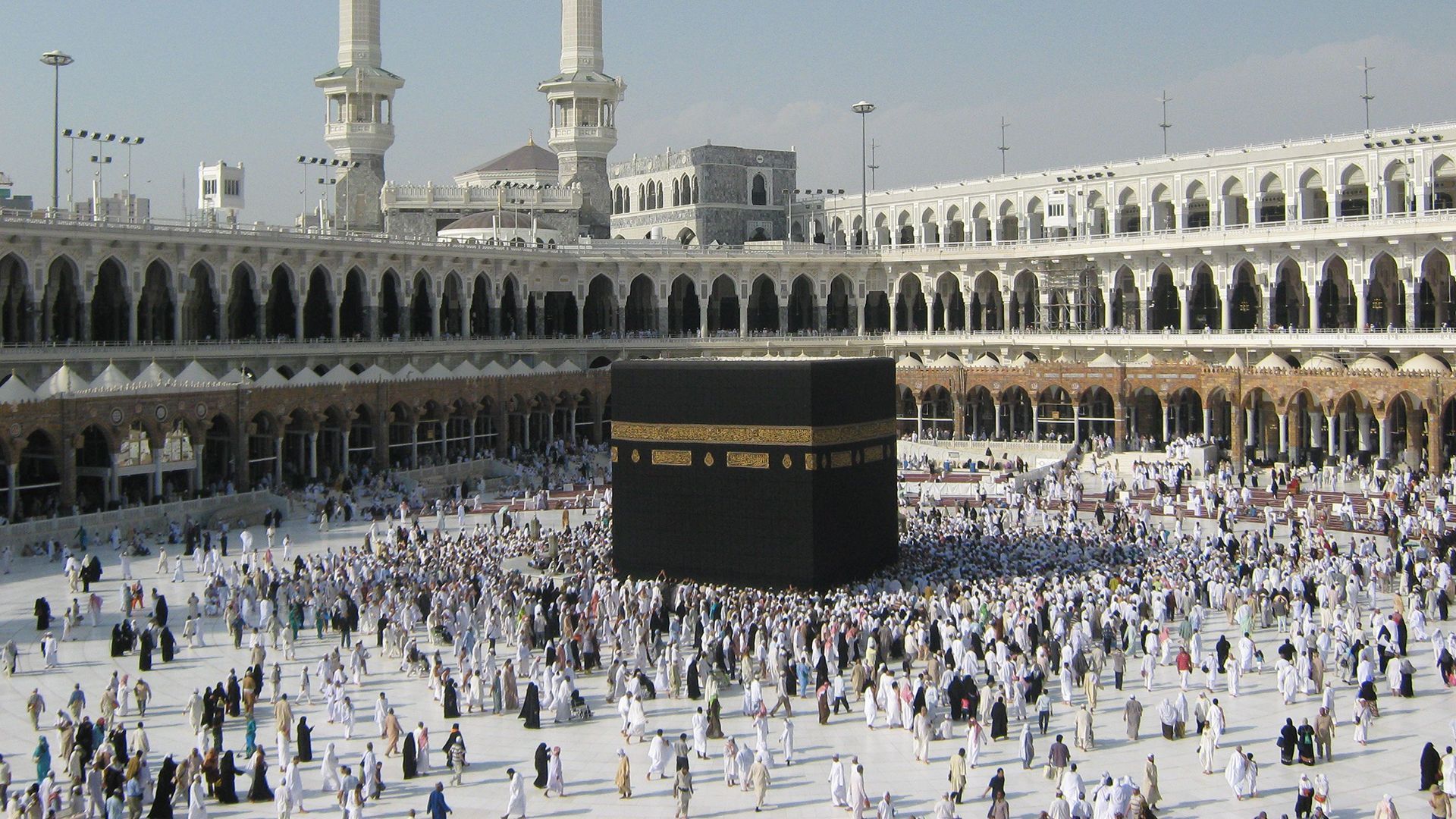
For many Muslim travellers, Makkah and Madinah are places known through faith long before a first visit. Being there brings its own feelings, and a journey should leave room for them.
Historical visits can deepen that connection. The Hira Cultural District’s exhibitions introduce the setting of revelation and the Prophet’s biography. In Madinah, Quba and Uhud give geographical context to accounts you may have heard since childhood.
A knowledgeable guide can help you understand the landscape and events, with time for your questions. The stay itself should leave generous room for worship at Al-Masjid al-Haram and Al-Masjid an-Nabawi, and for quiet reflection.
If
Umrah is part of your plans, tell us at the beginning. We can discuss the religious arrangements and heritage visits together, recognising their different purposes.
A Holiday to Share with Your Children
You do not need children to remember the name of every dynasty for a trip like this to mean something. They might remember trying to work out a pattern in the Alhambra, asking how a dome was built or discovering that a city they knew little about was once a place scholars travelled to.
A good family guide knows when to explain and when to let children look. Give them room to ask their own questions. An absorbing morning followed by lunch and some free time is often enough.
Choose the hotel with the same care as the visits. A welcoming riad, a comfortable city room, or a stay with space for the family helps everyone enjoy the journey. There is every reason for a heritage holiday to feel special.
We can plan halal dining, prayer time and the practical details around your days out, including access arrangements at individual sites. That leaves you free to give your attention to where you are.
Which Islamic Heritage Itinerary Should You Choose?
For a first week away, Granada and Córdoba offer a focused route with remarkable architecture. Istanbul suits a city break with a wide choice of experiences around the heritage visits. Sarajevo is appealing when you have only a few days.
For a longer journey centred on scholarship and Silk Road history, look at Samarkand and Bukhara. Fez or Cairo may appeal if you enjoy exploring historic cities with a guide. Makkah and Madinah require a different conversation, beginning with your spiritual priorities.
These are starting points, not a requirement to visit every landmark. Tell us what has caught your interest and we can help you turn it into a holiday
Frequently Asked Questions
What is an Islamic heritage holiday?
It is a trip exploring places connected with Islamic history and culture, from mosques and palaces to centres of learning, historic markets and living communities. It can focus on a city, a region or a particular historical theme.
Where should we go for a first Islamic heritage trip?
Granada and Córdoba, Istanbul and Sarajevo are good starting points for a focused first visit. Your choice will depend on whether you are most interested in Al-Andalus, the Ottoman world or Muslim heritage in the Balkans.
Are these holidays suitable for children?
Yes. A good family guide, shorter visits and time for ordinary holiday pleasures make a substantial difference. Choose a few places to explore properly and encourage questions rather than trying to cover every date and dynasty.
Can we include luxury hotels?
Yes. Heritage sightseeing can be combined with comfortable city hotels, riads and other high-quality stays. Halal World Travel can help assess location, dining and the facilities that matter to you.
Is an Islamic heritage holiday the same as Umrah?
No. Umrah has specific religious rites. A heritage holiday explores history and culture, although a Saudi journey can include both Umrah and suitable historical visits when planned accordingly.
Will we have halal food and time for prayer?
These should be part of the itinerary from the beginning. Availability and arrangements differ between places, so discuss your requirements with Halal World Travel when choosing the route and accommodation.
Can we visit every mosque or religious site on a route?
Access varies by site, visitor eligibility, prayer times and current rules. A historic building may also serve a different religious purpose today. Check each planned visit rather than assuming that a heritage listing guarantees entry or permission to pray.
Find the Journey that Interests You
Think of the place you would most like to see for yourself. The courtyard you have only seen in photographs. The city whose name has stayed with you. Somewhere you would love your children to discover. Explore Halal World Travel's Islamic heritage itineraries and tell us what has caught your imagination. We can help you plan a journey around it, from the guide who brings the history to life to the hotel you look forward to returning to. Call
0203 838 1199 or email
info@halalworldtravel.com.
Recent Posts